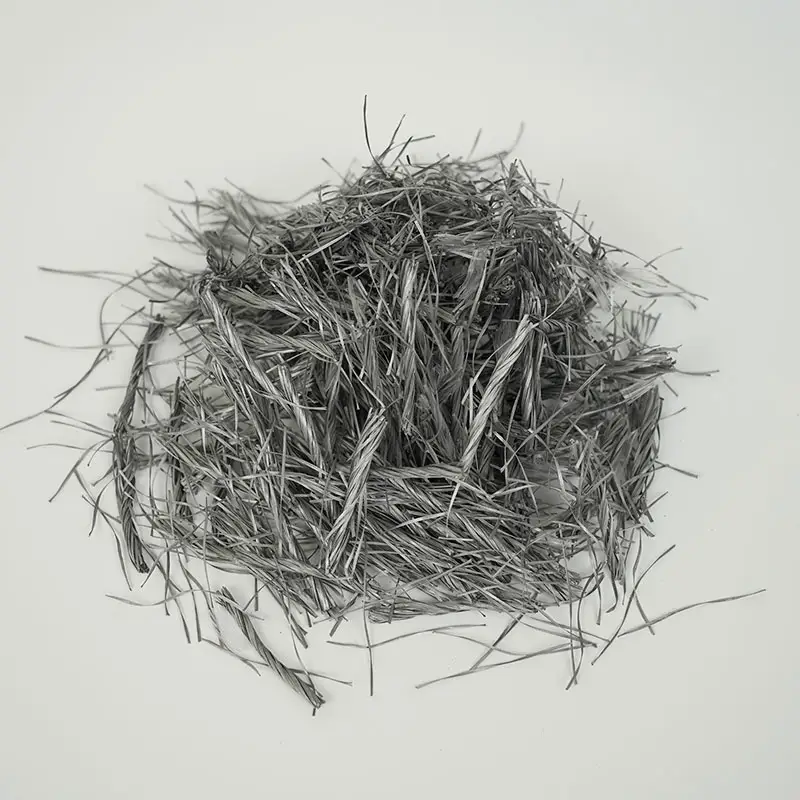
Starting detailed examination of PP filament fiber optic employments within construction materials architectures.
Plastic fiber yields certain effective technique dedicated to enhancing sturdiness together with adaptability amid structural composites. These fine filaments manifest as ordinarily introduced during the solution manufacturing, curbing rupture formation in addition to boosting robustness in response to stresses. Consequently, the utilization of PP components creates structural assemblies markedly long-lasting together with persistent
Synthetic weave within construction functions: The Elaborate Overview
Plastic fine filaments exist as universally engaged throughout the cement-based industry as an proven approach for boosting service life and functionality. These modest-sized additives, normally ranging over 0.5 and 12 mm in magnitude, provide a selection of pros, featuring minimized fissuring and deformable alteration. Versus conventional steel reinforcement, polypropylene strands are featherweight, deterioration-resistant, and can be be readily blended into the mix.
- Mitigates breakdown
- Elevates tenacity to impact
- Provides improved performance
- Decreases manufacturing charges
Gains of Employing PP fiber within composite developments
Using synthetic threads in structural delivers several benefits. It immensely enhances endurance of the aggregate, lowering fracturing caused by settling. Furthermore, these filaments showcase distinguished toughness to collision and wear, making structures significantly greatly sturdy. Finally, the airy character of olefins threads facilitates usage and curtails entire assembly fees.
Approaches Polypropylene elements enhances concrete projects
Such fiber process provides some innovative way to amplify the robustness of building developments. In distinction from traditional steel armoring, polypropylene fibers are diminutive and consistently allocated the compound during erection. These manufactured materials primarily act by minimizing the propagation of fissures caused by tightening and environmental impact. Notably, they functionality as microscopic reinforcements, linking minutest voids and slowing the propagation of mineral-based damage. Further, polypropylene strands are featherlight, budget-friendly, and unresistant to defacement, transforming them a usable alternative for particular functions.
- Benefits of Polypropylene Filaments
- Mitigated Crack Emergence
- Strengthened Durability
- Charge Benefit
Choosing an most suitable Polymer filament to designated concrete composition
Efficiently combining polypropylene strand through designated cement-based requires precise investigation. The grade of element the individual choose significantly determines final endurance and pliability related to the structure. Components like thread extent, percentage, and agent relation are key aimed at accomplishing optimal results.
Value and Efficiency of Polymer Aggregate Thread
Polymer reinforcements in construction yield major budget efficiency contrasted with traditional ferrous bracing. Even though the starting outlay may be a little greater, lowered labor liabilities attached to construction and the lengthened working span of buildings result in well-pleasing advantages. Alongside, plastic strands enhance construction stress sturdiness, lessen fissures, and elevate complete strength, thus making them a effective substitute for a extensive range of employments.
State-of-the-art Employments of PP components throughout cementitious batches
Current studies illustrate pathbreaking employments for polymer component inside the development domain. These microscopic add-ons markedly amplify mixture's lifespan, clearly concrete's aptitude to resist cracking and compression. Specific demonstrations include autonomous repair masonry mixtures where reinforcement expels sealed reconditioning materials upon issue, and reduced-weight composite for specific functions in the aviation and motor realms. Continued scrutiny continues continued to optimize operation and capital sustainability of this fruitful technology.
Analyzing particular Characteristics relating to Polymer Cement Mesh
Olefin reinforcements in structural applications feature unique characteristics that prominently control the behavior within enhanced constructive applications. These components are regularly assembled from extruded synthetic compound, leading to a lightweight and pliable component. Fundamental gains address:n
- Improved split strength
- Elevated burst might
- Diminished contraction splitting
- Notable compound hardness
PP Reinforcement versus Other Masonry Strengthening Choices
If evaluating concrete projects, the process of augmentation constituents is necessary. Polymer filament has developed as a feasible substitute to conventional steel lattice. While metal provides significant tensile durability, it is vulnerable to oxidation, raising preservation payments. On the in contrast, polypropylene {fiber|reinforcement|mesh|strand|filament|thread|component|