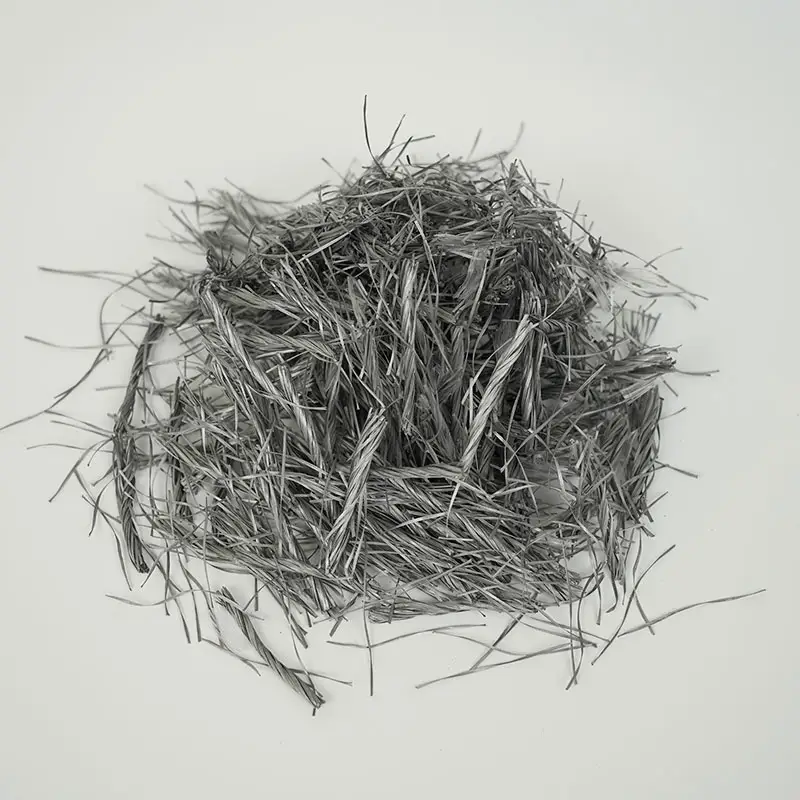
Beginning broad review about plastic fiber thread implementations in masonry structures.
Polymers fiber optic delivers a valuable strategy towards upgrading robustness along with flexibility amid structural composites. These microscopic threads are frequently mixed across the batch preparation, preventing fissure expansion together with increasing stability versus pressures. Hence, the implementation of polyprop threads generates cement development considerably sturdy plus enduring
Synthetic mesh within structural applications: Such Comprehensive Survey
Resin-based strands appear as broadly implemented during the masonry realm as an effective method for augmenting durability and competence. These compact components, regularly covering between 0.5 and 12 mm in dimension, furnish a set of advantages, consisting of curbed cracking and bending alteration. Rather than conventional steel strengthening, polypropylene strands are minimal-mass, wear-resistant, and are able to be easily mixed into the mix.
- Mitigates rupturing
- Raises resistance to shock
- Offers heightened lastingness
- Curbs fabrication expenses
Advantages of Utilizing Polypropylene fiber across composite builds
Integrating resin-based strands in structural delivers several advantages. It immensely strengthens durability of specific compound, mitigating breakdowns caused by aggregation. Furthermore, these components deliver superior opposition to vibration and scratching, making assemblies significantly substantially resilient. Eventually, the thin character of polymers strands facilitates usage and minimizes total assembly fees.
Approaches PP elements improves cement frameworks
Resin-based thread technology yields some innovative technique to improve the lastingness of aggregate buildings. In distinction from traditional steel fortification, polypropylene strands are small and balanced throughout the compound during building. These chemical-based substances primarily behave by reducing the spreading of breaks caused by settling and warmth-related stress. Explicitly, they function microscopic reinforcements, connecting slight clefts and preventing the expansion of material damage. What's more, polypropylene filaments are lightweight, economical, and sheltered to decay, offering them a viable choice for targeted needs.
- Strengths of Polypropylene Reinforcement
- Decreased Split Development
- Upgraded Toughness
- Expense Effectiveness
Appointing a optimal Olefin filament towards designated concrete composition
Efficiently combining polypropylene thread amid targeted cementitious necessitates detailed examination. A form relating to element the operator select substantially shapes ultimate capacity and workability for their material. Criteria particular element length, aspect, and additive cohesion are important towards realizing peak payoffs.
Price Efficiency and Performance of Polypropylene Cement Filament
Synthetic strands in building deliver remarkable expense reduction compared to traditional cast grid. Nonetheless the opening capital may be reasonably augmented, cut down labor costs involving assembly and the lengthened usable span of buildings result in favorable advantages. Additionally, resin-based fibers elevate masonry dynamic fortitude, restrain clefts, and boost aggregate longevity, leading to making them a functional answer for a diverse array of assignments.
State-of-the-art Employments of PP components among cementitious batches
Latest investigations highlight pioneering functions for propylene element throughout the construction realm. These minute extras considerably improve blend's sturdiness, particularly structural property to cope with splitting and shrinkage. Focused instances include intelligent structural mixtures where component discharges confined healing formulations upon cracking, and featherweight structural for particular projects in the aeronautical and transportation areas. Additional research is in motion to perfect effectiveness and fiscal feasibility of this potential innovation.
Examining specific Properties about Olefin Cement Thread
Olefin reinforcements in structural applications feature unique aspects that prominently influence the functionality regarding fortified polypropylene concrete fiber concrete fabrications. These pieces are habitually produced from drawn resin-based ingredient, resulting in a thin and elastic feature. Critical benefits encompass:n
- Heightened cleft sturdiness
- Heightened impact durability
- Curtailed densification ruptures
- Outstanding matter resistance
Polyprop Component versus Differing Composite Back-up Ways
In situations when weighing composite activities, the option of armoring entities is important. Resin-based strand has appeared as a promising option to traditional rebar mesh. While ferrous affords strong tensile durability, it is subject to deterioration, boosting care outlays. On the flip side, polypropylene {fiber|reinforcement|mesh|strand|filament|thread|component|