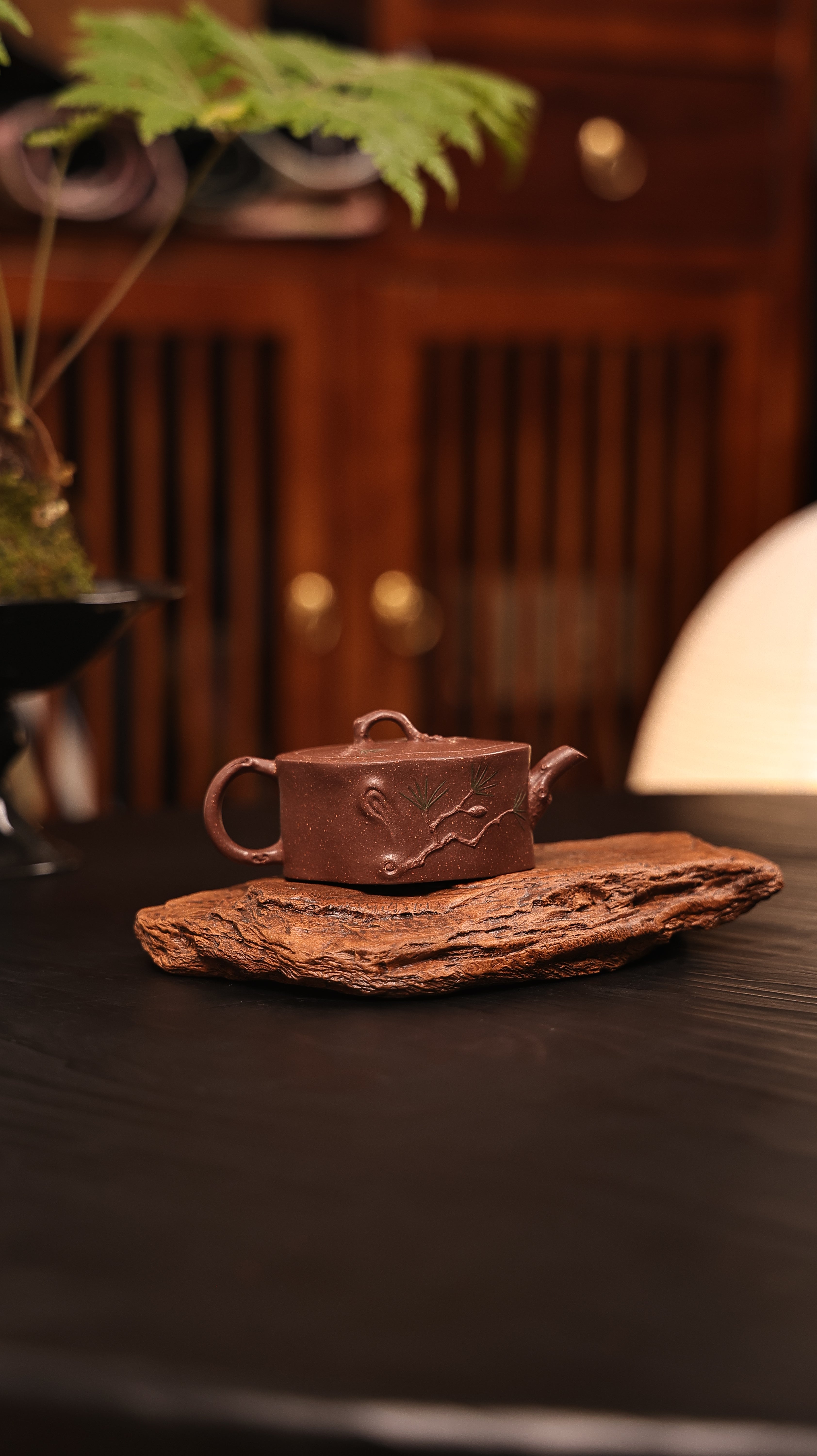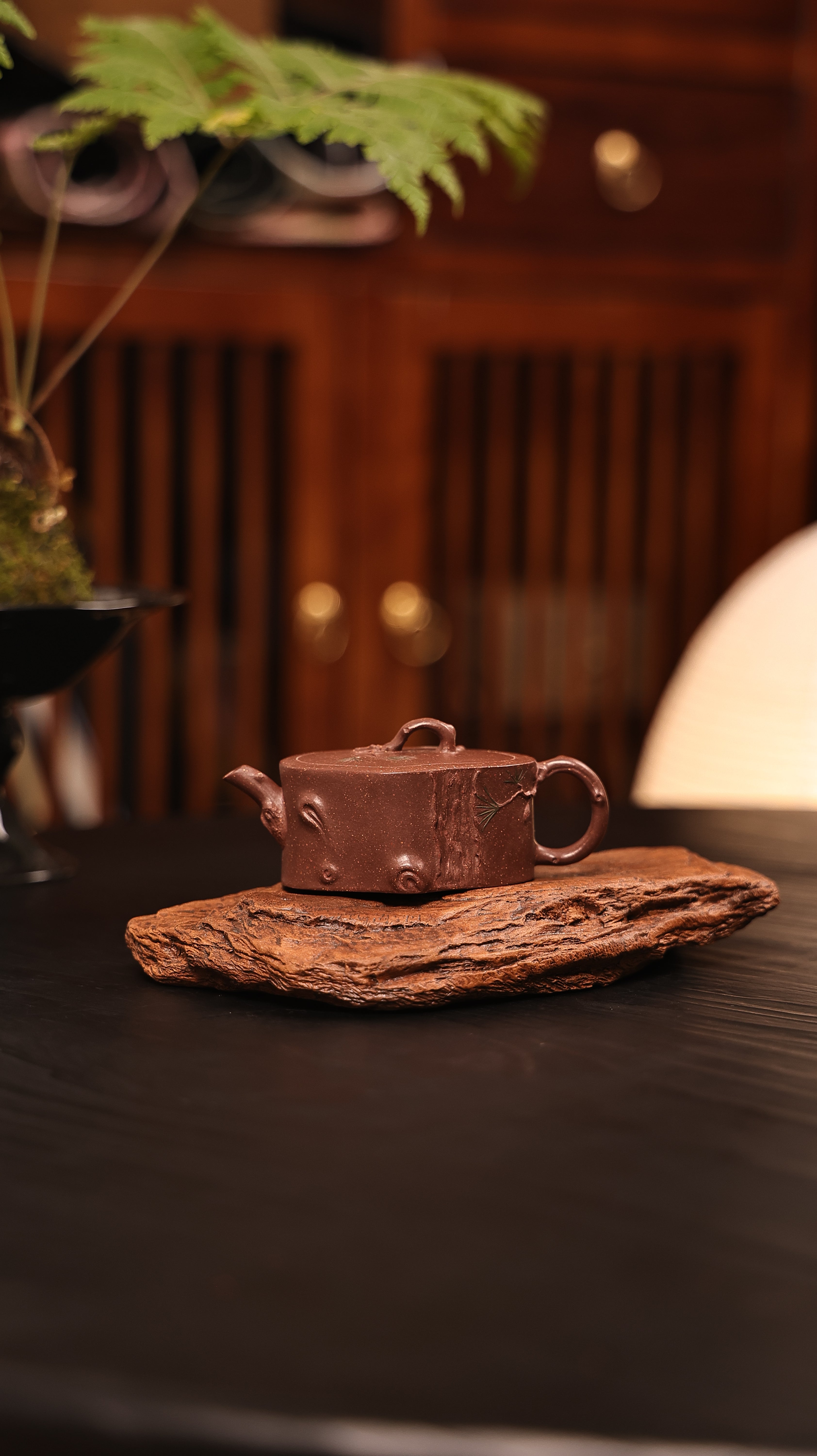
Initiating an inclusive examination pertaining to 宜兴 Zi Sha porcelain pots brings exclusive intriguing blend with craftsmanship together with performance.
Eysing Tz'u Sha brewing containers boast this exceptional attraction within collectors around the planet. The extraordinary ceramic pots, sourced from the specific Yixing location inside Jiangsu territory, China, stand as more than just brewing instruments; they function as works artistic beauty and cherished significance. Distinct finely sorted clay, known referred to as Zisha, imparts a delicate flavor to the tea, and the fancy designs, often exemplifying traditional Chinese elements, enhance their inherent value. Gaining a genuine Yixing Zisha teapot constitutes a delightful journey, calling for careful study and an awareness of the multiple factors influencing their singularity.
Learning about Yixing Ceramic Containers
Yixing brewing vessels boast a extensive background deeply interwoven with Chinese identity. Originating in Yixing, Jiangsu district, these containers are crafted from a unique, porous purple mineral found only in that exclusive location. Their evolution began during the Ming time, with master craftspeople refining the means over ages. Various types persist, including the Yixing Teapot classic Hexiang (resembling crab shells), Zhuni (red-brown hue), and Duan Ni (stone-studded) – each with distinctive appearances. The cost of an Yixing ceramic vessel isn't solely based on its size or decoration, but also on the designer’s reputation, the soil's quality, and the teapot's age and condition. Aficionados often seek out older examples, believing they absorb the essence of the tea brewed within them over time, further adding to their eminence.- Hexiang Brewing Vessels
- Red-Brown Ceramic Pots
- Stone-Studded Ceramic Pots
Zisha Teapot Mastery: Artistry & Systems
The manufacture of Zisha teapots represents a culmination of Chinese ceramic craft. Seasoned artisans employ traditional techniques, often passed down through ancestry, to unlock the full quality of this unique clay. Processes involve meticulous modeling by hand, often combined with the coiling method, followed by precise heating at incredibly strong temperatures in wood-fired kilns. Embellishing is equally crucial; craftsmen utilize unprocessed clay colors and may incorporate sculpting work to depict intricate scenes or patterns, demonstrating a profound insight of the material’s traits and capability. The final teapot isn't merely a vessel for tea, but a testament to a valuable cultural inheritance.
Chinese Brewing Pots: Special Introduction to Eysing Tzu-sa
Studying the world of the teapots regularly originates with Yixing Zisha. These rare clay vessels are manufactured from a distinct type of clay obtained only in the Yixing region of Jiangsu province. Renowned for its unique reddish-purple hue and exquisite attributes, Zisha clay injects a subtle flavor to the brew and improves with age, maturing into a cherished prized possession. Holding Yixing Zisha teapots is more than just owning a attractive object; it’s a honoring of legacy and technique.
Examining certain Ceramics: Sincerity & Elevation
Engaging in the arena of Yixing Zisha creations can be remarkably beneficial, but obliges a meticulous judgment. Accuracy is imperative; abundant reproductions occur, habitually artfully constructed. Becoming knowledgeable about old-fashioned cooking procedures, exclusive soil features, and the signatures of reputable artisans is wholly imperative. What’s more, knowing the intricacies of the market direction – influenced by determinants such as classical significance and the state of the artifact – is important to successful gathering.
- Exploring clay history.
- Contacting consultants for validation.
- Understanding exchange movements.
An Process of Creating with a Clay Teapot
Unique singular allure of a Zisha teaware lies not just in its attractive appearance, but also in its notable impact on the essence of the elixir. These classical clay containers, sourced from special regions of China, possess a original porosity that gently interacts with the essence and leaves, imbuing the cup with a subtle character. Mastering the approach requires a steadfast approach, understanding how the soil responds to varying heating regimes and foliage types, ultimately leading to a unquestionably rewarding drinking experience.
Conserving The Possession
Proper maintenance of your Yixing pot is vital to securing its lifespan. These extraordinary teapots, crafted from exceptional Yixing clay, build up a patina over periods that elevates their importance. Sometimes rinse the body with soft water, avoiding detergents, and never use severe scrubbing tools. Occasional gentle rubbing with a silky cloth can assist in wiping away stains. Allow your container to absolutely dry before each serving
Unveiling Yixing: Factors Particular Kettles Stand for Exclusive
The famous appeal of Yixing teapots derives from the exclusive properties of Zisha clay, mined solely near Yixing, Jiangsu. This distinct clay, consisting of ferruginous ceramic , holds a atypical combination of components that, as time passes, incorporate the character of the tea it contains. This produces a exceptional note for each teapot, allowing it a importance far exceeding its beginning price and supporting to their honored status among collectors.
Locating the Best Regional Kettle: A Terracotta Reference
Venturing into the world of Purple clay teapots can feel overwhelming, but understanding the fundamentals is important to finding a valued piece. Those clay, sourced chiefly from the Yixing zone, Jiangsu locality, is acclaimed for its characteristic quality and ability to adapt the savor of the liquid over long haul. Assess the silhouette, the brightness, and the style; a legitimate Zisha teapot is more than just a holder; it's a craftwork and a signifier of eastern culture. Inspect the signature of the potter for clues to its origin and potential value.