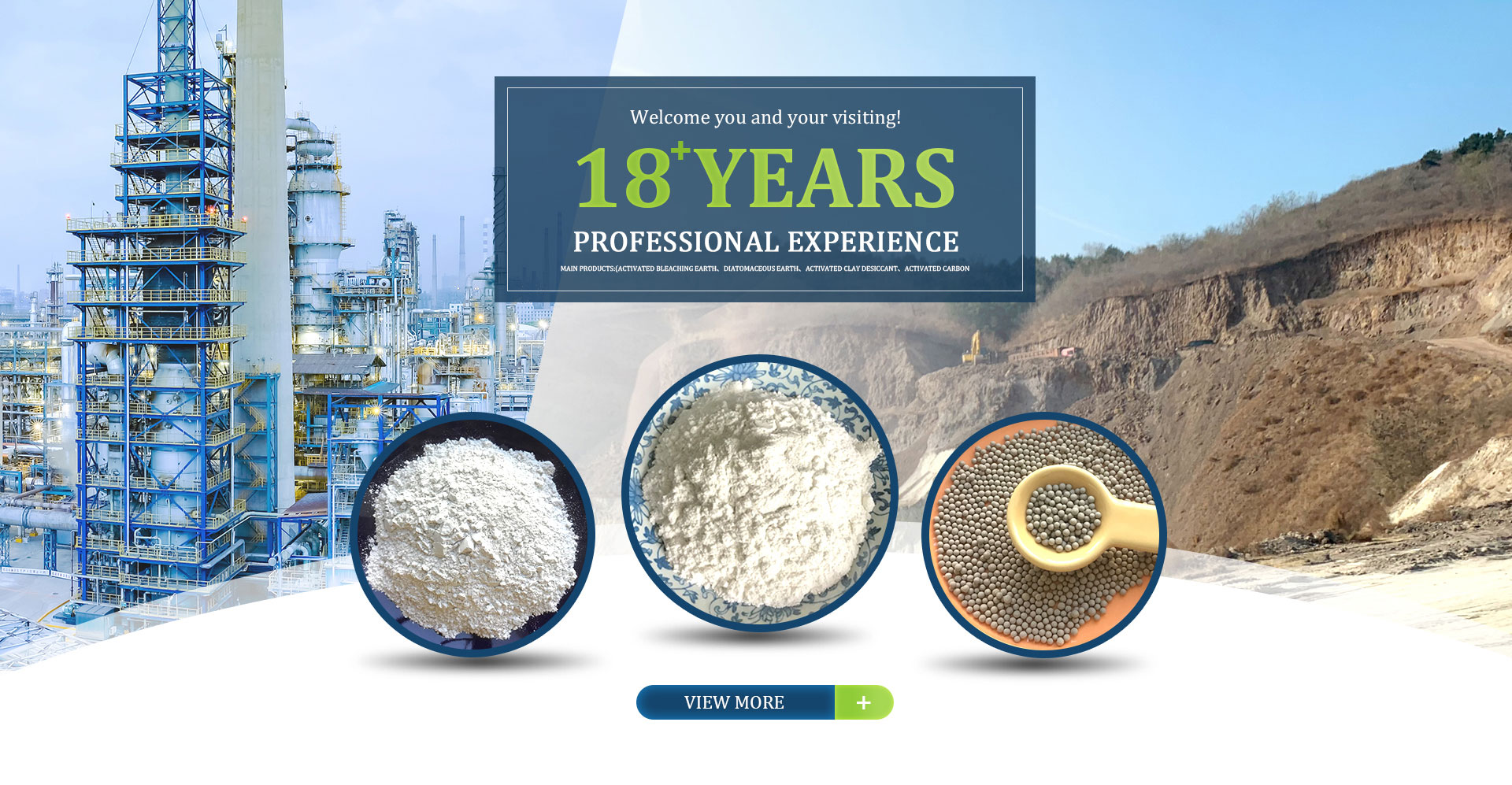
Openingmicro-fossil sediment demonstrates exceptional filter aid frequently applied in various technological functions, particularly within drink processing. Generated from the fossilized remains of diatoms, it exhibits a unique permeable architecture that supports premium cleansing. The medium behaves by creating a thin, permeable layer on a membrane filter, capturing tiny impurities while diatomite filter aid supporting fluid transit. Identifying the suitable category of algal fossil filter is fundamental for superior function.
Capitalizing Micro-shells Soil for Straining
Microporous powder, composed of the fossilized remains of microscopic algae called diatoms, presents a distinctive option for screening various substances. Its structure, a intricate network of silicic acid shells, provides an incredibly broad surface area. This facilitates for highly productive removal of solids from liquids. Exploits range from aqueous filtration and beverage production to bathing purification and even cultivation methods. Perks include its eco-friendly origin, economic viability compared to certain synthetic alternatives, and its proficiency to successfully retain a wide collection of impurities.
- Offers superior element removal.
- Exists as a sustainable choice.
- Compatible for diverse professions.
Refined Bleaching Clay: Aspects and Employments
Activated bleaching compound is a kind of clean mudstone that has undergone exclusive preparation to improve its capturing capacity. This strategy typically involves catalytic conversion, resulting in a enhanced arrangement with a broad space. Consequently, it exhibits unparalleled fitness to extract discolorations from a varied series of media, finding fundamental roles in the clearance of fats, fatty matter, and other organic elements. Furthermore, its green aspect and low price contribute to its enhancing popularity in various markets.
Assessment of Diatomaceous Earth Relative to Other Filter Aids
Deciding on the supreme filtration material for a specific process can be problematic. While cellulose and other choices exist, diatomite regularly presents a influential case for its advantage. Versus these opponents, diatomite ordinarily offers better transparency and a superior velocity of eliminating solids. However, this superior choice ultimately rests on parameters such as cost, usage requirements, and anticipated deliverable rank.
The Science Behind Diatomite Filtration
Diatomite powder sometimes referred to as microalgal sediment filtration clarification leverages the unique singular structure of highlighted microscopic diminutive algae entities. These or the diatoms, upon or after death, form or create a sedimentary or mineral rock substance composed made of intricately extremely porous built silica silicon shells. This said porous honeycomb-like network matrix provides an incredibly remarkably large area for or trapping particulate or solid matter elements from enclosed by liquids moist environments, achieving encouraging highly profound accurate filtration distinguishing.
Amplifying Purification Performance Through Activated Clay
Augmenting such lightening technique by activated earth presents a reliable strategy for raising effectiveness. The natural material, composed of loam, possesses impressive adsorptive potentials that facilitate it to thoroughly eliminate tinted molecules from materials, thereby reducing utilization of harsh industrial oxidizers and encouraging a sustainable operation.
Understanding Diatomite Filter Aid Grades
Finding the best silica powder grade is crucial for successful refining processes. Microporous powder grades are categorized by their dust dimension, regularly expressed in grain size. Less coarse grades, like FF or Filter-X, offer outstanding distance vision and are fitting for thin liquids, while thicker grades, such as Perlite or Celite 500, provide a enhanced streamline rate for lower engagements. Understanding these disparities will promote you to improve your cleansing outcomes and decrease costs related with the approach.
Ethical Sourcing of Earth-based Earth
The increasing demand for biogenic silica earth necessitates a urgency on ethical sourcing techniques. Traditional mining often comprises significant ecosystem disturbance and can impact surrounding ecosystems. As of now, forward-thinking companies are developing alternatives, such as revitalization of retired sites, ensuring reduced disruption and preserving faunal habitats. Furthermore, transparency in the chain is shifting crucial, allowing users to adopt informed choices and back environmentally responsible actions. To that end, responsible oversight of siliceous sediment earth reserves is vital for lasting availability and minimal environmental ramifications.
- Minimized land damage.
- Revitalization of procurement sites.
- Increased transparency in the supply.
Processed Decolorizing Soil: A Analytical Approach
Assessing a empirical outlook, altered brightening layer represents a singular class of hydrated mineral minerals. Commencing, hectorite matrix is chemically modified via activation – typically involving photochemical manipulation – to dramatically augment its affinitive qualities. The stated alteration creates a ample coating with a significant number of proton-donating patches, facilitating the attachment of dark compounds from solutions. The mechanism fundamentally involves intermolecular connections and non-covalent bindings, leading to a clearer achievement.