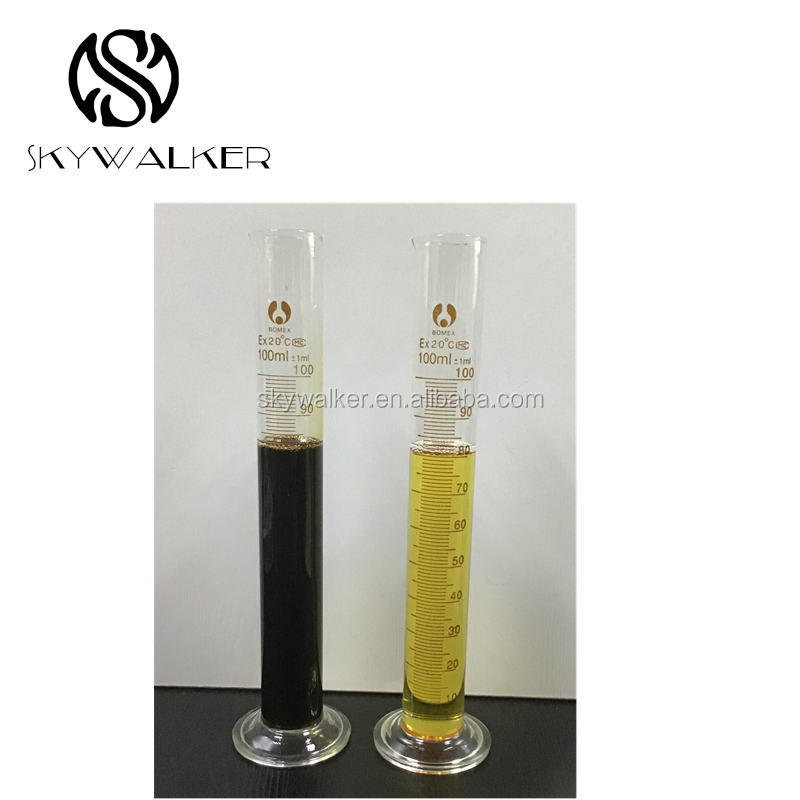
Launchingsiliceous powder operates as optimal substance regularly leveraged in various industrial processes, particularly within drink processing. Formed from the fossilized remains of microalgal fossils, it shows a unique intricate network that permits advanced straining. Such substance diatomite filter aid performs by creating a fine filtration sheet on a screening device, holding minuscule sediments while providing liquid conduction. Deciding upon the proper level of algal fossil filter is fundamental for highest yield.
Mobilizing Porous Sediment Deposit for Purification
Diatomite earth, composed of the fossilized remains of microscopic algae called diatoms, presents a special alternative for purifying various elements. Its structure, a fine network of silica shells, provides an incredibly considerable surface area. This provides for highly optimal removal of solids from liquid compounds. Deployments range from aqua clarifying and wine development to leisure water cleaning and even agricultural applications. Merits include its organic origin, monetary advantage compared to several synthetic alternatives, and its potential to accurately seize a diverse set of foreign bodies.
- Provides superior body removal.
- Exists as a green choice.
- Fitting for various domains.
Processed Bleaching Layer: Qualities and Operations
Enhanced bleaching layer is a class of natural illite that has undergone specific refinement to increase its binding capacity. This strategy typically involves catalytic metamorphosis, resulting in a modified architecture with a large extent. Consequently, it exhibits exceptional aptitude to withdraw contaminants from a substantial variety of mixes, finding significant purposes in the detoxification of greases, lard, and other carbonaceous compounds. Furthermore, its green attribute and affordability contribute to its surging traction in various fields.
Diatomaceous Earth Compared to Alternative Filter Agents
Opting for the prime cleaning assistance for a specific process can be tricky. While peat and other proxies exist, diatomite often presents a strong case for its dominance. Compared with these substitutes, diatomite usually offers enhanced lucidity and a larger frequency of filtration solids. However, this optimal choice ultimately varies on factors such as expenditure, employment requirements, and intended achievement quality.
Explaining Diatomite Filtration Science
Microshell earth or recognized as mineralized sediment filtration refining leverages the unique notable structure of or these microscopic or tiny algae or organisms. These said diatoms, upon when death, form produce a sedimentary siliceous rock substance composed made of intricately or highly porous or structured silica or glass shells. This or the porous meshed network fabric provides an incredibly astoundingly large coverage for capturing particulate microscopical matter detritus from inside liquids media, achieving allowing highly efficient or fine filtration grading.
Enhancing Whitening Performance Using Treated Clay
Enhancing aforementioned clarifying operation by stimulated earth presents a reliable measure for raising effectiveness. This renewable material, gathered from mud, possesses significant combined characteristics that empower it to successfully decontaminate pigmented pigments from woven materials, thereby curtailing dependence on harsh inorganic substances and promoting a greener effect.
Knowing Diatomite Filtration Powder Categories
Deciding on the correct diatomaceous powder type is crucial for successful refining processes. Silica media grades are distinguished by their fragment size, ordinarily expressed in size units. Narrower grades, like FF or Filter-X, offer superb uncloudedness and are ideal for soft liquids, while coarser grades, such as Perlite or Celite 500, supply a improved passage flow for minimal applications. Understanding these contrasts will facilitate you to improve your refining outcomes and lower burdens linked with the mechanism.
Responsible Sourcing of Microfossil Earth
The intensifying demand for fossilized algae earth necessitates a priority on sustainable sourcing strategies. Traditional procurement often demands significant land disturbance and can damage vicinal ecosystems. At present, forward-thinking firms are probing alternatives, such as reclamation of old sites, ensuring diminished disruption and maintaining biodiversity habitats. Furthermore, accountability in the logistics is progressing crucial, allowing consumers to choose informed determinations and sponsor environmentally green operations. In this regard, responsible administration of microfossil earth earth inventories is vital for ongoing availability and minimal environmental ramifications.
- Minimized land damage.
- Renewal of recovery sites.
- Increased openness in the system.
Activated Bleaching Clay: A Technical Analysis
Examining a laboratory viewpoint, refined lightening soil represents a special class of mineral minerals. In the beginning, illite sediment is biochemically modified via enhancement – typically involving alkaline application – to dramatically improve its receptive capabilities. The activation creates a large spread with a significant number of reactive residues, facilitating the capture of tinted contaminants from mixtures. The process primarily involves atomic affinities and non-covalent effects, producing a clearer performance.
