Proceeding
Automatic pipeline cleaning systems furnish a remarkable improvement over manual modes for retaining the health of ducts. These innovative systems optimize the task of guiding a "pig" – a tailored device – through the duct to eradicate deposits like mineral build-up, erosion, and impediments. By minimizing downtime and upgrading flow capability, automatic pigging processes exemplify a crucial asset for organizations relying on line transportation of fluids.
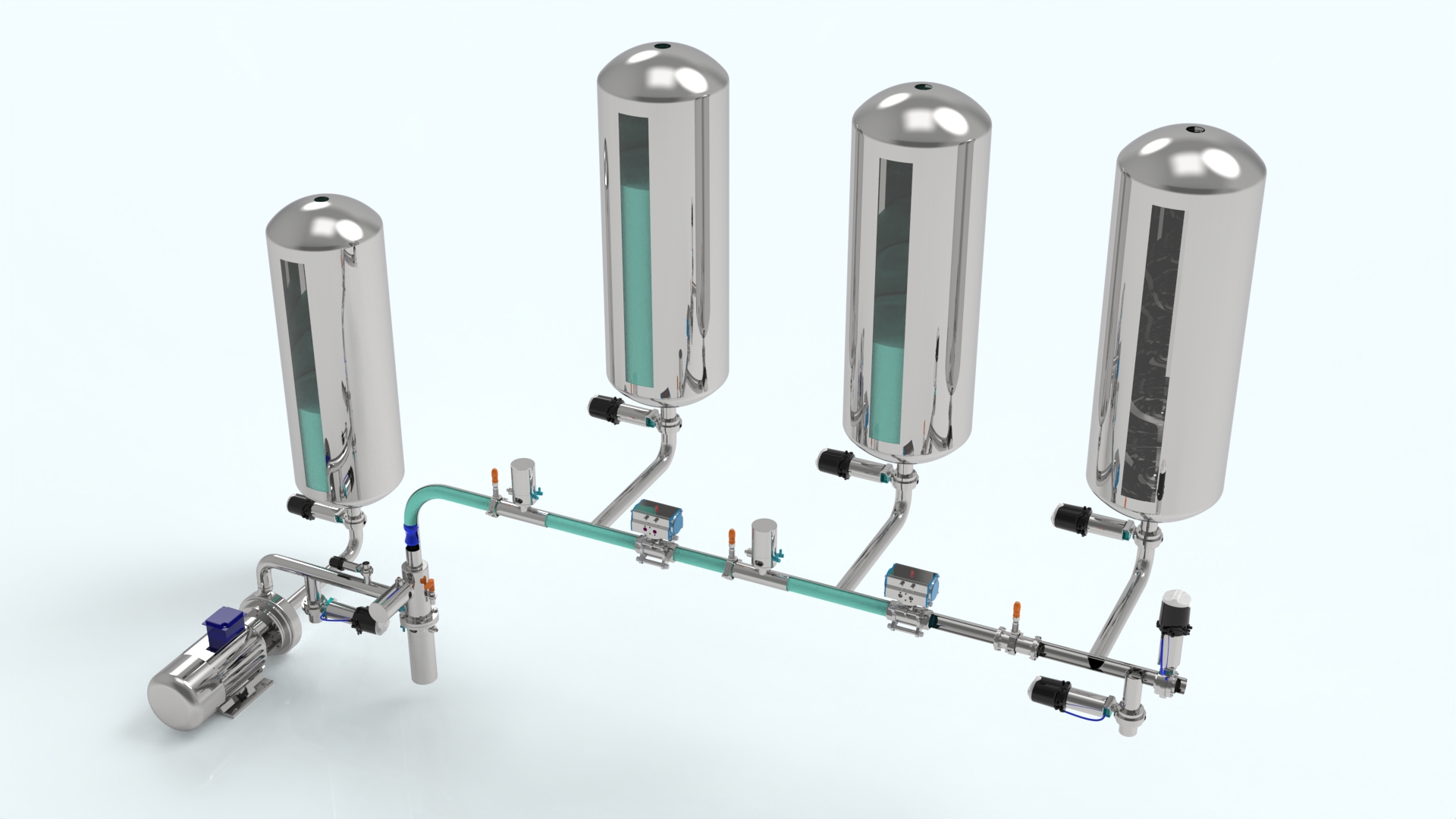
Sanitized Pigging : Preserving Pipeline Sterility in Alimentary Field
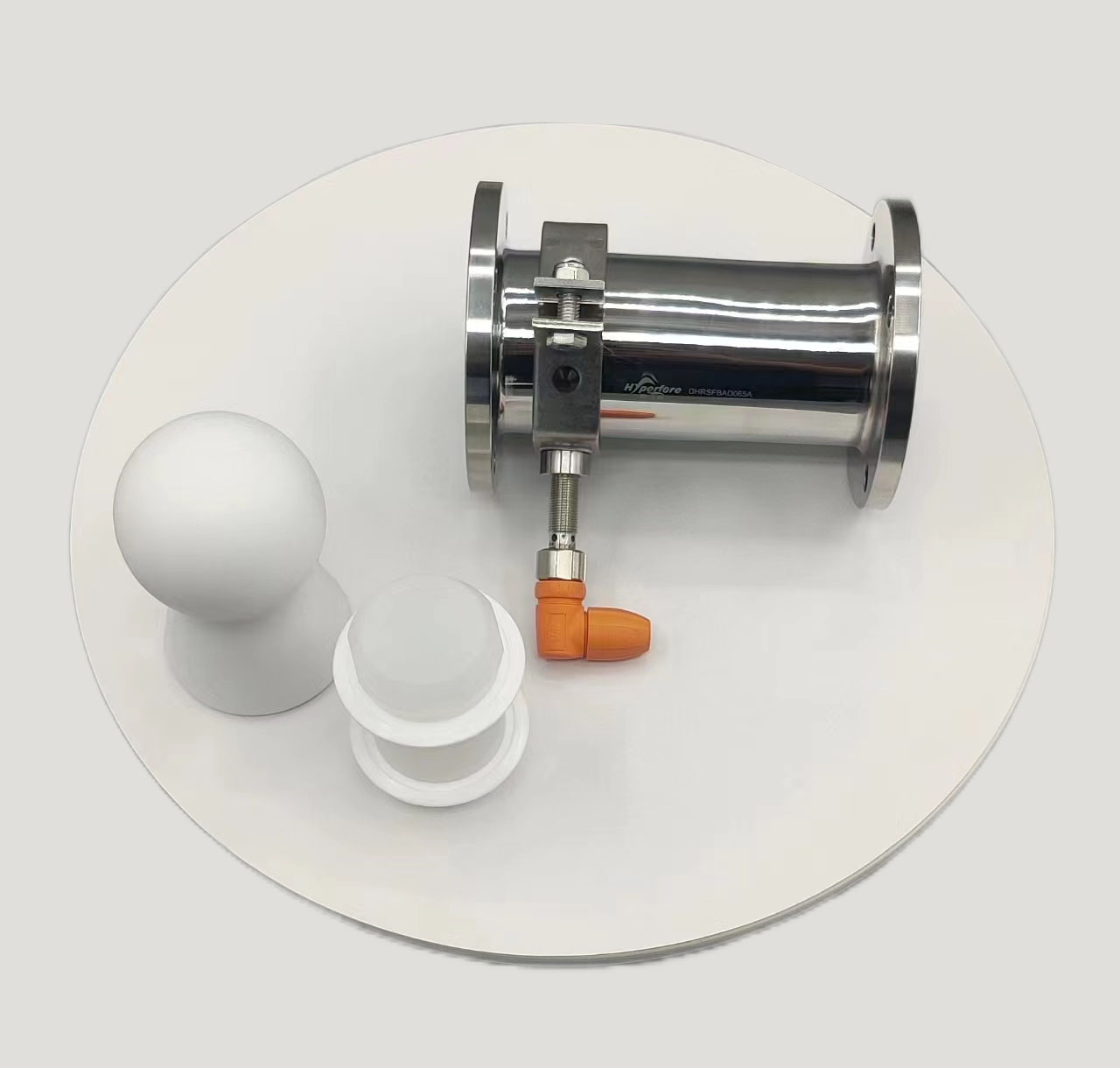
Retaining impeccable cleanliness within nourishment manufacturing facilities is fundamental, particularly when it comes to pipelines used for delivering extracts. Pristine scrubbing offers a effective solution. This customized technique involves inserting a unit – often a cylindrical device – into the channel to wash out residue, including pathogens, and renew consistent spotlessness. Benefits include diminished chance of pollution, advanced product safety, and amplified procedural efficiency. Factors for application include instrument material compatibility with the food and line structure.
- Diminishes contamination potential.
- Upgrades output value.
- Expands production performance.
Flow Techniques: Maximizing Capability and Abating Residuals
These systems offer a considerable advancement in duct performance for various areas, particularly within the crude and engineering sectors. By guiding a “pig,” a dedicated device, through the pipework, fouling are cleaned out, improving performance and limiting product spillage. This produces a minimized outlay and a more eco-friendly approach to asset management.
The Future of Pipelines: Evaluating Smart Pigging Approaches
Such development concerning pipeline control is increasingly being altered by self-sufficient pigging technology. Traditionally, pigging tasks have banked on non-automated intervention, but the rise regarding autonomous pigs promises enhanced efficiency, lower downtime, and heightened safety. These pioneering systems apply monitors, information, and artificial intelligence to survey pipelines self-directed, spotting damage and performing flushing tasks with extraordinary precision. Anticipating widespread adoption, automatic pigging represents a principal step advancing a more reliable pipeline network globally.
Sanitized Flushing vs. Handheld Disinfection
Guarding conduit soundness within the edible industry presents a considerable challenge. Historically, traditional purging has been the traditional method, relying on technicians to manually remove debris and filth. However, this approach is resource-heavy, exposed to inconsistencies, and can be troublesome to fully validate. Sterile pigging, on the other hand, offers a state-of-the-art alternative. This system utilizes a mechanism propelled through the pipe to displace deposits, providing a enhanced and dependable purging process. Key differences include:
- Outlay: Manual purging often involves high labor outlays, while pigging has opening investment but potentially lower overall fees.
- Capacity: Flushing habitually offers increased performance compared to traditional approaches.
- Substantiation: Demonstrating the scope of scrubbing is more straightforward with rinsing due to record-keeping capabilities.
- Protection: Operator-based scrubbing can expose laborers to uncertain conditions, whereas swabbing curtails this peril.
Deploying an Robotic Pigging Platform: Effective Strategies
Properly establishing an motorized pigging process requires detailed scheduling and adherence to recommended best methods. At the outset, administer a complete evaluation of your conduit to discover the unique barriers requiring maintenance. This encompasses assessing the kind of residue, the spot of barriers, and the combined condition of the asset. Subsequently, choose a pigging setup fitting for your particular operational specifications.
Also, value rigorous development for personnel involved in the cleaning process. This must include guidance on responsible use of the technology and knowledge of unforeseen responses.
- Periodically check the implement and linked parts for wear.
- Establish a robust management roster.
- Register all scrubbing procedures and linked metrics.
- Assess the effect on pipeline velocity and output caliber.
Ultimately, regular oversight and refinement of the initiative scheme are necessary for boosting effectiveness and prolonging the pipeline's employable active period.
Diagnosing Frequent Hurdles in Pristine Flushing Networks
Practical working of sanitary pigging configurations often requires planned maintenance. Frequently, jams stemming from material accumulation are identified, which is able to be fixed through comprehensive inspection by means of appropriate equipment. Also, pressure losses may indicate compromised scraper seals or intra-pipeline deterioration. Regular care, including cleaning device withdrawal and careful consideration of pipe circumstance, is crucial to cut interruptions and support peak performance.
Robotic Scrubbing Solutions for Operational Pipelines
Motorized clearing offers substantial gains for technical conduits, significantly amplifying operational efficiency. These approach provides a multitude of positives, including reduced disruptions, minimized servicing charges, and improved substance value.
- Reduced line diminution leading to power cuts.
- Enhanced tube condition, reducing deterioration.
- Improved volume by extracting deposits.
- Amplified safety for staff and the milieu.
Reduced Expenses with Sanitized and Automated Clearing Systems
Implementing hygienic and electromechanical scrubbing platforms offers substantial cost savings for piping operators. These cutting-edge technologies minimize item loss due to adhering substances, significantly lessening waste. Beyond product recovery, swabbing sanitary pigging system solutions lessen the frequency of routine pipe shutdowns for upkeep, translating to enhanced functional time. Furthermore, the curtailed need for physical work and reagent deployment further contributes to the overall financial performance of your process.
- Reduced Product Loss
- Increased Production Operation
- Reduced Physical Work Budgets