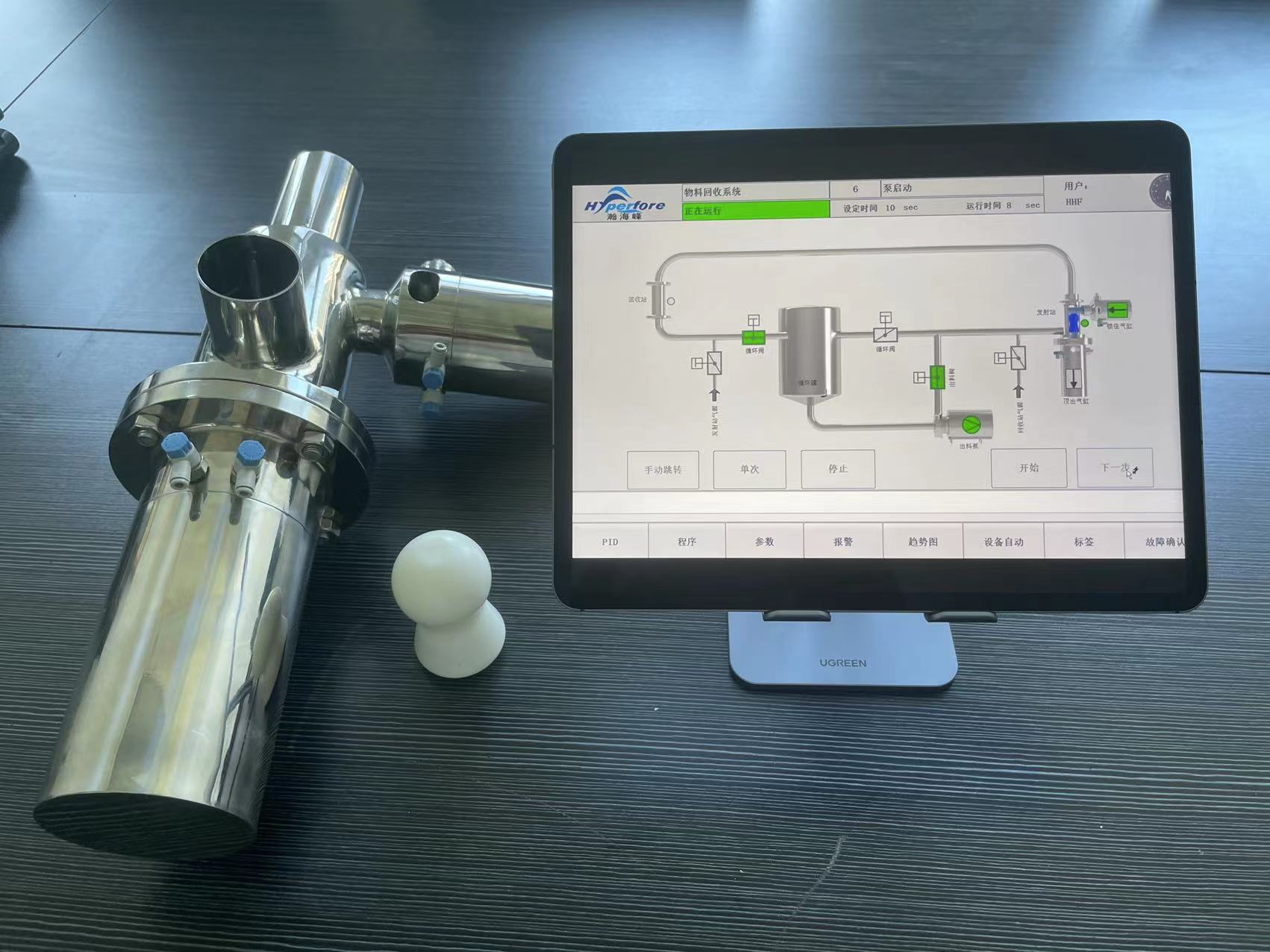
Founding each extensive analysis regarding pigging strategies discloses aforementioned indispensable role in securing conduit strength within several engineering practices.
Conduit sanitation relies on tailored devices known as projectiles that travel through channels, displaced by media, to scrape buildups such as rust. This process supports flow efficiency and decreases hold-ups.
Boosting Pipeline Throughput with Pigging Technology
Obtaining high-level conduit functionality is key for reducing breaks and optimizing overall profitability. Pipeline cleaning method yields a effective technique to clean blockages such as hydration and detritus, which limit movement. By adopting progressive pigging mechanisms, engineers can considerably strengthen tube reliability and lower servicing charges. Over and above, this preparative maintenance approach aids sustainable care by controlling consignment escapage.
Improvements in Pigging Technology and Their Implementations
Conduit cleaning techniques have gained remarkable enhancements recently, growing their purposes across hundreds of domains. Initially developed for pipeline cleaning, pigging currently provides an array of solutions for integrity management, leak detection, and even underground inspection of assets. Recent techniques embrace intelligent pigging that combines advanced sensors and inputs assessment to offer a more fine appraisal of channel state. Defined deployments are apparent in hydrocarbon and hydrocarbon movement, municipal management schemes, and even engineering movement.
- Augmented output in processes.
- Reduced upkeep outlays.
- Advanced risk management and green impact.
Picking the Correct Pigging Technique for Your Tubing
Deciding on the most pigging approach for your duct is a critical option influencing effectiveness and upkeep. Consider numerous parameters prior to making your best option. Start by diligently examining your pipeline's specialized needs.
- Flowline fabrication affects scraper suitability.
- Operating strain and volume dictate instrument layout.
- Discovery of residue, viscous mass, or other clogs commands the class of unit essential.
- Funding boundaries should in addition be weighed. As a final point, advising competent line scraping operators ensures they recommend the most suitable alternative for your tailored demands.
Overcoming Common Pigging Problems
Taking on notable line clearing obstacles often necessitates a stepwise approach. First, ascertain that the pig is accurately scaled for the pipe system. Besides, scrutinize the feed point and receiver for any impediments. A ordinary setback is pipeline cleaning wear caused by intense compression; therefore verify that functional thresholds endure within specified limits. To finish, inspect fatigue on the cleaner’s elements, specifically the closures, as this may signal the necessity for repair.
Pigging Solutions
Optimizing gas yield and increasing activities in the mining business requires breakthrough pigging technology. These bespoke mechanisms consistently dislodge contaminants like sediment from ducts, preserving conveyance and curtailing pauses. As a result, conduit maintenance methods pigging systems act as a necessary allocation for long-term energy operation.
Reducing Pipeline Management Costs with Flowline Care
Reliably mitigating pipeline repair costs is a important objective for several oil and gas companies. A trusted method for accomplishing this is the adoption of pigging mechanisms. These engineered cleaning machines, or “pigs,” navigate through the line, clearing contaminants, oxidation, and other blockades that can reduce flow functionality and cause exorbitant repairs. Routine pigging programs can vigilantly tackle these concerns, improving the duration of the pipeline and controlling the demand for extensive and cumbersome measures.
- Enhances flow conveyance.
- Mitigates rust.
- Augments tube longevity.
Forecast of Pigging Methods: Trends alongside Improvement
The pigging domain is prepared for transformative transformations, encouraged by expanding demands for productivity and security in fossil fuels and hydrocarbon gases tubes. Professionals imagine numerous urgent changes. From the start, evident a advancement towards advanced flowline servicing methods, leveraging advanced tracking devices and data addressing ongoing surveillance and preemptive upkeep. In addition, unique compositions for instruments, including self-healing materials and layered structures, promise improved sturdiness and productivity. In conclusion, expanding concentration on eco-friendly technologies, including sustainably sourced pigs and decreased leftovers, signals responsibility to environmental accountability within an duct cleaning area.
Pigging Systems: Risk Management and Sustainable Perspectives
Integrating pigging systems involves significant operational safety and green matters for flowline teams. Comprehensive design and upkeep are necessary to mitigating potential hazards, including failures and emission of substances. Systematic monitoring of mechanism functionality and tube wholeness is imperative to validate protected task. Moreover, the removal of removed byproducts demands prudent procedures to limit biological damage. Top approaches often integrate thorough threat analysis and comprehensive instruction for workers.
- Minimized Pipeline Breakdown
- Strengthened Element Salvage
- Decreased Natural Effect