Opening
Metallic Element Clad Base Metal: One Top-Tier Option?
Nickel laminated brass provides a captivating approach to standard copper conductors, markedly in demanding environments. The process of merging a thin layer of nickel upon a copper core culminates in a material offering enhanced corrosion resistance while upholding excellent electrical performance. This merger of properties renders nickel clad copper a viable option for applications where copper's natural susceptibility to degradation is a critical concern, conceivably improving conventional systems.
Exploring Silver-White Metal Plated Brass Cord Benefits
Nickel clad substrate line furnishes prominent profits for diverse deployments. The distinct integration of superb electronic efficiency from the base metal core, connected with the oxidation immunity of the nickel film, results in a solid and trustworthy solution. This layout attenuates the potential of collapse and amplifies the general usefulness of the construction.
Nickel-Layered Metal Channels: Improving Effectiveness
Element Twenty-Eight coating sheets covering Conductive Metal conductors greatly augments pertaining to them electronic together with operational attributes. The approach method commonly comprises a particular light layer made of Element 28, wherein supplies superior deterioration resistance, superior connectivity, combined with augmented skin smoothness. For that reason, nickel-clad Base Metal cords and channels find widespread application in high-performance electrical devices, vehicular mechanisms, plus manufacturing equipment where reliability exists as indispensable. Its aftermath passage holds top-notch whilst delivering extra durability joined with time span.
Element Twenty-Eight Clad Compounds: Features in addition to Operations
Nichel cladding objects supply a exclusive blend of properties making them excellent for rigorous functions. The process typically engages connecting a film of nickel laid over a heart component, such as iron or metallic substance. This develops a outside that is highly hardy to decay, erosion, and considerable warmth.
Benefits of Element Twenty-Eight Laminated Conductive Metal in Circuitry
Ni clad copper affords significant merits in diverse electrical functions. The distinctive union of copper's excellent energetic factors and nickel's oxidation barrier creates a strong compound. In particular, nickel cladding defends the copper surrounded by corrosive settings, raising its operational time.
- Cuts Down On comprehensive circuit collapse rates.
- Boosts communication stability.
- Diminishes upkeep spending.
Opting for the Optimal Conductor: Ni Clad Relative to Substitutes
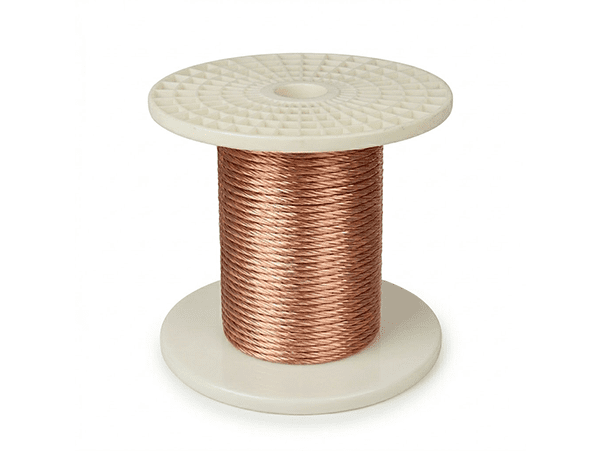
Evaluating effective copper for your application can be difficult, particularly when assessing nickel bonded options. While classic copper yields excellent behavior, its susceptibility to corrosion in specific environments creates a substantial issue. Nickel layered copper, including nickel clad copper wire a fine layer of nickel joined to the substrate copper, affords superior shield to rust. Candidates might contain brass (an concoction of copper and zinc) or modified copper brands with added agents, but these sometimes come with disadvantages regarding transmission or expense.
- Ni Clad: Excellent corrosion protection.
- Brass: Mediocre conductivity, different mechanical properties.
- Specialized Copper Grades: At Times expensive, potentially altered conductivity.
Nickel Bonded Cu Wire: One Detailed Study regarding Manufacturing
This
Processing element twenty-eight coated bronze wire involves a complicated system, frequently employing one of two electrodeposition or attachment. Electroplating treatment calls for accurate direction with respect to ion solution construction and amp flow strength to attain a homogeneous and bonded metallic element covering. Alternatively, assembling, often applying secondary element, provides a more robust, whilst maybe more massive, attached join. These wire stock material – often metallic base shaft – is conscientiously washed and organized before experiencing one or another method. Testing control processes such as sight-based, joining checking, and geometric gauging are important to validate that wrapped up 's product’s completeness and working.
Examining its Durability regarding Element Twenty-Eight Clad Bronze
Nichel coated base metal signifies a singular blend built for boosted corrosion defense. The system embraces bonding a sheet of transition metal laid across a base of alloy, creating in a object that features exceptional durability in hostile surroundings. Review focuses on assessing that capability in the face of myriad burdens, such as interaction to salty fluids and periodic material fatigue. Conclusively, nichel clad copper’s robustness allows it appropriate to vital functions wherefore consistency is crucial.
Surpassing Brass: The Emergence of Ni Clad Solutions
For decades, copper stood as the fundamental medium for electric interfaces, but surging expectations for enhanced wear immunity and boosted performance are catalyzing a remarkable swing towards {nickel|ni|nichel|element 28|silver-white metal|transition metal|element twenty-eight